
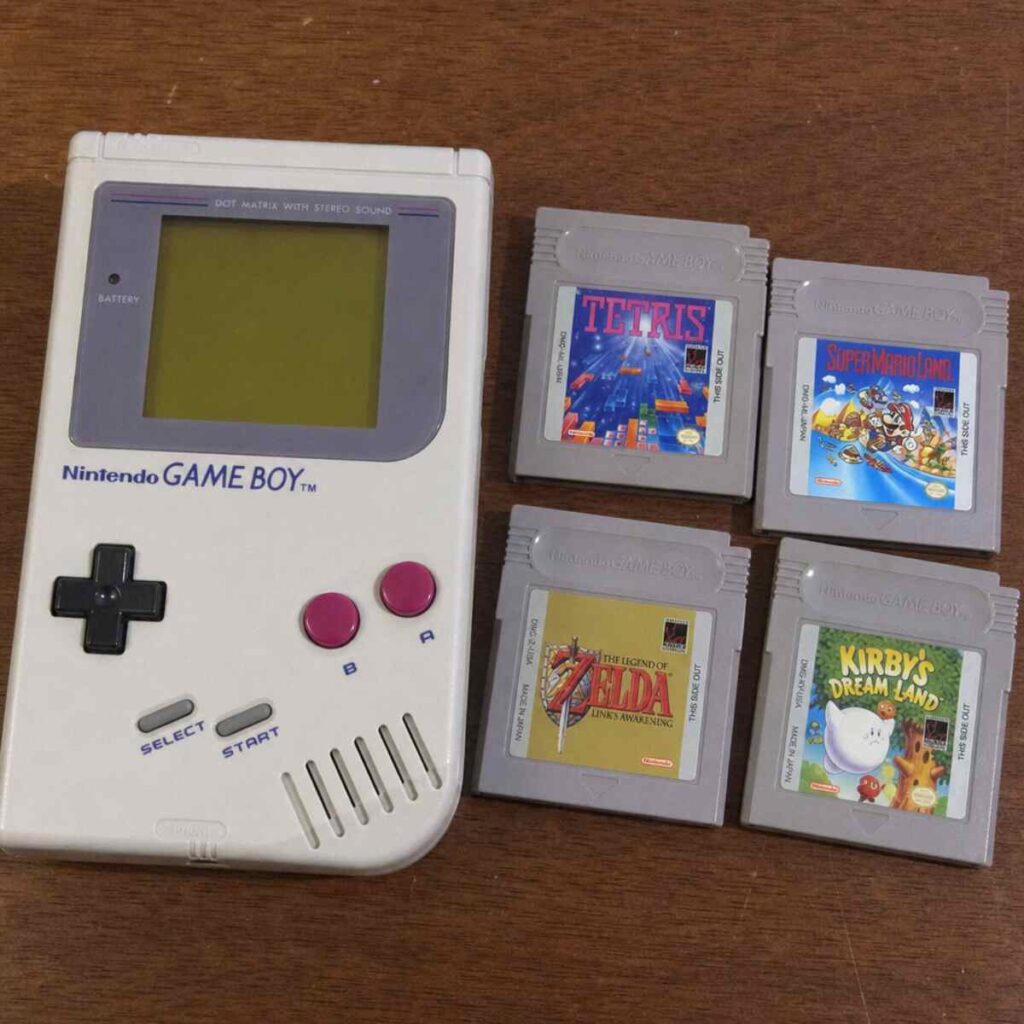
The Game Boy family is home to some of the most durable handheld games ever made: compact adventures, clever puzzlers, inventive RPGs, and action games designed around quick play without feeling small. This guide highlights ten must-play Game Boy games across the original Game Boy, Game Boy Color, and Game Boy Advance, with practical notes on why each one still matters and who should play it first. Have the Best information about phantom333.
Nintendo’s handheld line began with the Game Boy in 1989, and its library eventually stretched across hundreds of releases, including icons like Tetris, Super Mario, Pokémon, Zelda, Kirby, and Metroid. For players comparing Game Boy games today, that long history is both exciting and overwhelming, so a focused shortlist is the best place to start.
What makes a Game Boy classic worth playing today?
A Game Boy classic is worth playing today when its core idea still feels sharp without relying on nostalgia. The best titles work because they respect the handheld format: clear goals, readable design, memorable music, and mechanics that are easy to understand but satisfying to master.
That matters because not every beloved old game ages the same way. Some are historically important but stiff to revisit, while others remain genuinely fun whether you play for ten minutes or three hours. The games below earn their place by combining influence, playability, personality, and a strong reason to return now.
A strong Game Boy pick usually has at least a few of these qualities:
- Instant readability: You understand what the game wants from you within minutes.
- Portable pacing: Progress comes in satisfying bursts, even when the full game is much deeper.
- Mechanical clarity: Movement, combat, puzzles, or strategy decisions remain fair and consistent.
- Distinct identity: The game does something memorable with limited hardware.
- Replay value: Scores, secrets, routes, team building, or mastery make a second run appealing.
- Series importance: It either defined a franchise or showed what that franchise could become on handhelds.
The shortlist covers the whole Game Boy family
This list includes original Game Boy, Game Boy Color, and Game Boy Advance releases because many players use “Game Boy” as shorthand for the entire handheld era. That also makes the recommendations more useful: the original monochrome games show the design discipline that made the platform famous, while the Color and Advance titles show how developers expanded those ideas with richer worlds, smoother controls, and more complex systems.
If you are searching for the best game boy color games, start with titles that used color for more than decoration. Link’s Awakening DX and Pokémon Gold and Silver, for example, use the hardware to make exploration and information clearer, not just brighter. If you are comparing the best game boy advance games, look for titles that feel console-sized while still fitting naturally into short handheld sessions.
Nintendo now offers selected Game Boy and Game Boy Advance titles through its Nintendo Switch Online classic game libraries, though availability depends on region, membership tier, and Nintendo’s current catalog. Original cartridges, legacy handhelds, and official modern releases can all be valid ways to play, but the most practical choice depends on whether you value authenticity, convenience, cost, or portability.
1. Tetris
Platform: Game Boy Best for: Puzzle fans, score chasers, and anyone who wants the purest possible handheld experience
Tetris is the obvious starting point because it explains the Game Boy’s appeal almost instantly. It has no long tutorial, no complicated story, and no wasted motion. Blocks fall, space disappears, pressure rises, and your brain quietly starts planning three moves ahead.
What makes Tetris special is how completely it fits handheld play. A single session can last two minutes or an entire evening, and both feel legitimate. The game also scales naturally with skill: beginners celebrate clearing a few lines, while experienced players chase speed, efficiency, and survival under pressure.
It remains one of the most important Game Boy games because it made the system feel universal. Nintendo’s own history materials tie the Game Boy’s early identity closely to Tetris, and the broader handheld library followed the lesson that simple rules could create enormous staying power.
Why it still works:
- The rules are timeless and require no genre knowledge.
- Every mistake feels understandable, which makes improvement addictive.
- The music and visual simplicity make the experience focused rather than plain.
- It is still one of the easiest retro games to recommend to non-retro players.
Start here if you want to feel why the Game Boy became more than a smaller console. Tetris is not “good for an old puzzle game.” It is still one of the cleanest game designs ever put in your hands.
2. The Legend of Zelda: Link’s Awakening DX
Platform: Game Boy Color Best for: Adventure fans, puzzle solvers, and players who want a complete Zelda journey on handheld
Link’s Awakening DX is proof that a small screen can hold a grand adventure. Instead of trying to imitate a home-console Zelda exactly, it builds a strange, compact island full of secrets, dungeons, odd characters, and emotional mystery. The result feels intimate in a way that still sets it apart from many larger entries in the series.
Nintendo describes the DX version as the Game Boy Color edition of Link’s first Game Boy adventure, adding color graphics and an exclusive Color Dungeon to the original release. The story follows Link after he is shipwrecked on Koholint Island, where he must uncover the mystery of the Wind Fish and gather the Instruments of the Sirens.
The real magic is the density. Every screen seems to matter. A cave might hide a shortcut, a phone booth might nudge you toward the next objective, and a tiny change in your inventory can transform how you read the map.
Why it belongs near the top:
- It captures the structure of a full Zelda adventure without feeling cramped.
- The item progression is satisfying and easy to follow.
- The island setting gives the game a memorable personality.
- The DX color enhancements make it one of the best Game Boy Color games for first-time players.
If you only play one action-adventure from this era, make it this one. It balances charm, challenge, and melancholy better than most games twice its size.
3. Pokémon Gold Version and Pokémon Silver Version
Platform: Game Boy Color Best for: RPG fans, collectors, team builders, and anyone who likes long-term goals
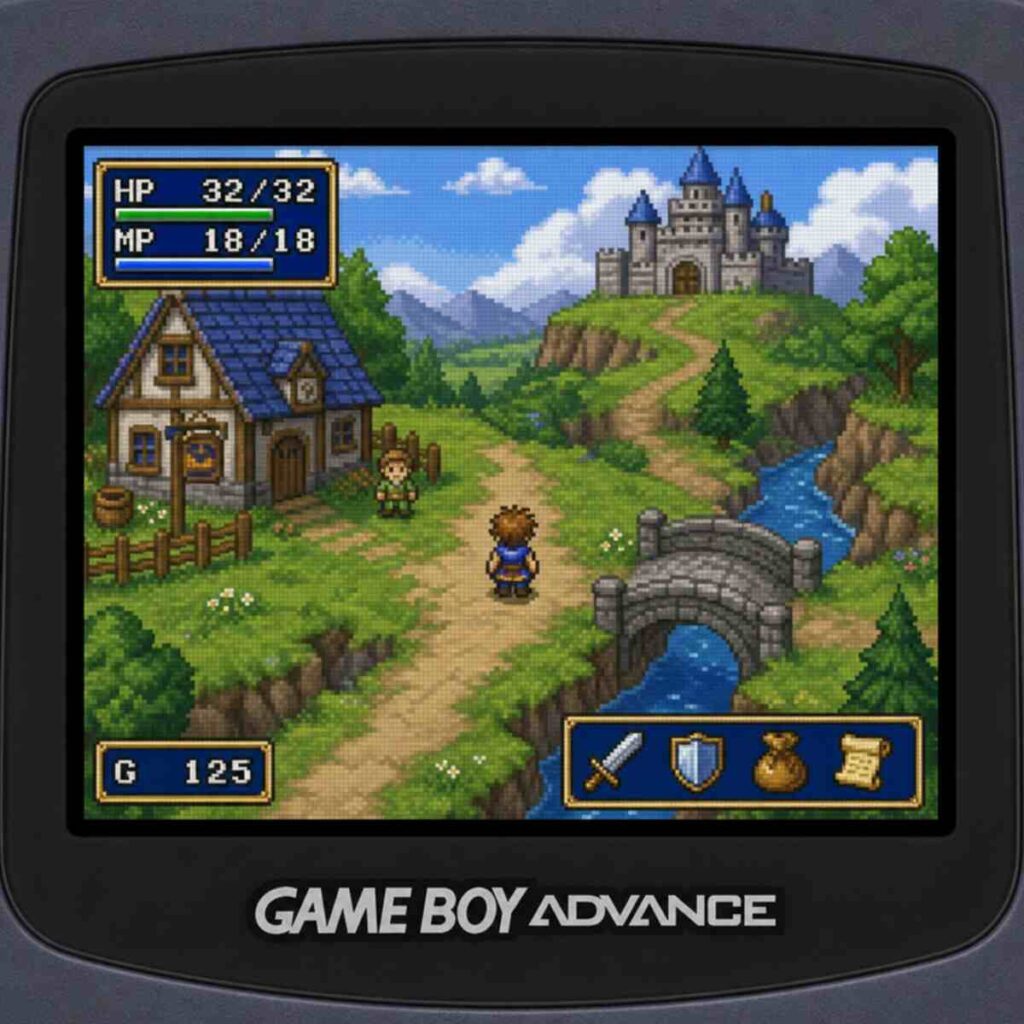
Pokémon Red and Blue started a phenomenon, but Gold and Silver turned that phenomenon into a richer handheld RPG template. They expanded the world, added a new region, introduced more Pokémon, and made the adventure feel like it was living on your schedule rather than waiting passively inside the cartridge.
The Pokémon Company notes that Gold and Silver expanded the universe with 100 additional Pokémon, held items, and real-time events powered by an internal game clock. Those additions matter because they make the game feel broader and more personal: your team choices, timing, and exploration habits all shape the experience.
These games also understand reward loops beautifully. You walk into grass, discover something new, level up, test your team, earn badges, and keep wondering what waits beyond the next town. The structure is simple, but the decision-making remains surprisingly rich.
Play Gold or Silver if you want:
- A classic RPG that stays approachable from the first hour.
- Team building that rewards curiosity instead of perfect optimization.
- A world that feels larger than its hardware should allow.
- One of the strongest answers to “what are the best game boy color games?”
Crystal is also an excellent choice if you want the enhanced version from the same generation. But Gold and Silver remain the essential pair because they show how a sequel can expand a formula without losing the directness that made it work.
4. Super Mario Land 2: 6 Golden Coins
Platform: Game Boy Best for: Platforming fans, Mario newcomers, and players who want a breezy but memorable campaign
Super Mario Land 2 feels like the moment Mario became fully comfortable on the Game Boy. The first Super Mario Land is historically important and delightfully strange, but its sequel is smoother, bigger, and easier to recommend today. It has chunky character sprites, playful worlds, and a structure that lets you tackle zones in a flexible order.
The game’s biggest strength is personality. One moment you are bouncing through a giant mechanical Mario statue, and the next you are exploring spooky or space-themed stages. It does not simply shrink a console Mario game; it builds a handheld Mario with its own rhythm.
This is also the debut of Wario, who gives the adventure a mischievous edge and sets up one of Nintendo’s most entertaining character pivots. The platforming is not as refined as later 2D Mario games, but it is generous, readable, and full of ideas.
Why it still feels good:
- The stages are short enough for portable play but varied enough to stay fresh.
- The world map encourages exploration without becoming confusing.
- The difficulty is friendly, making it a great entry point.
- The larger sprites give Mario more presence than many early handheld platformers.
If you are building a starter set of Game Boy games, Super Mario Land 2 deserves a spot because it is cheerful, accessible, and unmistakably Mario while still having its own flavor.
5. Metroid II: Return of Samus
Platform: Game Boy Best for: Exploration fans, Metroid completionists, and players who enjoy tense atmosphere
Metroid II is rougher than later entries, but it remains fascinating and worth playing because it gives the Game Boy one of its most atmospheric adventures. The game sends Samus into a hostile underground world where progress is tied to hunting Metroids, opening new areas, and slowly pushing deeper into the unknown.
What stands out is the mood. The limited visuals make the caverns feel stark and alien, while the structure creates a steady sense of descent. You are not just moving from level to level; you are removing threats from an ecosystem and feeling the planet become stranger as you go.
Modern players should know that Metroid II can be less immediately readable than newer Metroid games. Navigation is more demanding, environmental variety is subtler, and the game expects patience. Still, those limitations also give it a specific identity that remakes and successors interpret rather than replace.
Practical tip for first-time players:
- Take brief notes when you find major transitions or blocked paths.
- Pay attention to health and missile refill points.
- Treat exploration as the main activity, not as filler between bosses.
- Play in focused sessions so the map stays fresh in your memory.
Metroid II is not the smoothest game on this list, but it is one of the most important. It helps bridge the gap between the original Metroid and the more guided, cinematic style that later handheld entries would refine.
6. Wario Land 3
Platform: Game Boy Color Best for: Players who enjoy secrets, puzzle-platforming, and unusual character abilities
Wario Land 3 is one of the cleverest platformers on the Game Boy Color because it treats Wario less like a traditional hero and more like a problem-solving machine. He does not simply jump on enemies and rush to the exit. He gets burned, flattened, inflated, frozen, launched, and transformed, and those temporary states become tools for reaching new areas.
That design makes the game feel more like a treasure hunt than a straight platformer. Levels are built to be revisited, and new abilities or discoveries can change what you notice in places you thought you already understood. It rewards patience, experimentation, and a willingness to poke at suspicious corners.
Wario Land 3 also has a satisfying sense of humor. Wario is greedy, durable, and expressive, which lets the game turn failure into progress. Getting hit is not always a mistake; sometimes it is exactly what you need to solve the room.
Why it stands out among Game Boy Color games:
- It makes transformations central to exploration.
- It encourages revisiting levels without feeling repetitive.
- Its puzzles are playful rather than dry.
- It offers a different flavor from Mario while still feeling polished and approachable.
If Super Mario Land 2 is the friendly platformer pick, Wario Land 3 is the deeper, weirder companion. Play it when you want a platformer that asks you to think as much as react.
7. Kirby’s Dream Land
Platform: Game Boy Best for: Beginners, comfort-game fans, and players who appreciate short, polished adventures
Kirby’s Dream Land is short, simple, and still delightful. It is often remembered as the beginning of Kirby, but it also works as a model of how to introduce a character with clarity. Kirby floats, inhales enemies, and moves through whimsical stages that are friendly without feeling careless.
Unlike later Kirby games, the first Dream Land does not use copy abilities as its central mechanic. That can surprise players who know the modern series, but the simpler design gives the game a clean arcade feel. You focus on movement, timing, enemy patterns, and the joy of gliding over danger.
Its brevity is part of the appeal. Not every classic needs to be a long project. Kirby’s Dream Land is the kind of game you can finish, replay, and appreciate as a compact piece of design.
It remains easy to recommend because:
- The controls are welcoming for new players.
- The tone is cheerful without becoming bland.
- The stages are memorable despite their simplicity.
- It shows how much charm developers could create with limited hardware.
Play this when you want something light but not disposable. It is a soft landing into the Game Boy library and a reminder that accessibility can be a strength, not a compromise.
8. Metroid Fusion
Platform: Game Boy Advance Best for: Action-adventure fans, sci-fi players, and anyone who wants a tighter Metroid experience
Metroid Fusion is one of the strongest Game Boy Advance showcases because it compresses tension, exploration, and story into a focused handheld structure. It is more directed than Super Metroid, but that guidance creates a strong pace and a constant feeling that something is hunting you.
Nintendo’s materials identify Metroid Fusion as a Game Boy Advance title, and it is included among the classic GBA titles offered through Nintendo’s modern subscription libraries in some regions. Its reputation comes from how well it uses the Advance hardware: detailed sprite work, sharp movement, unsettling encounters, and a structure that keeps momentum high.
The SA-X, a powerful threat that stalks parts of the station, gives the game a different emotional texture from many other Metroid entries. You are still Samus, but you are not always in control of the situation. That vulnerability makes upgrades feel meaningful because each new ability changes your confidence.
Why it is one of the best game boy advance games:
- The pacing is excellent for handheld sessions.
- The story gives clear motivation without overwhelming the action.
- Boss fights are tense and memorable.
- The controls feel precise, fast, and expressive.
Fusion is ideal if you want a Metroid game that is easier to follow than the most open-ended entries but still rewards exploration and mastery. It is polished, moody, and highly replayable.
9. Advance Wars
Platform: Game Boy Advance Best for: Strategy fans, puzzle thinkers, and players who enjoy smart turn-based decisions
Advance Wars brought clean, approachable tactics to the Game Boy Advance and made strategy feel perfectly suited to handheld play. Each turn asks you to read terrain, manage units, protect resources, and plan attacks with limited information. It is easy to understand the basics, but strong play requires foresight.
The genius of Advance Wars is that it looks bright and simple while hiding serious strategic depth. Infantry capture cities, tanks pressure ground units, anti-air vehicles control the skies, and indirect units force positioning decisions. Every unit has a role, and wasted movement can matter.
It is also a great portable game because missions create clear tactical problems. You can play one map at a time, learn from mistakes, and immediately see how a different opening might change the outcome. That makes it satisfying for both casual experimentation and careful optimization.
Tips for enjoying it today:
- Do not rush every objective; sometimes building income is the correct first move.
- Protect infantry because capturing properties drives your long-term advantage.
- Use terrain defensively, especially cities, mountains, and forests.
- Think about enemy attack ranges before committing valuable units.
- Replay maps to understand how small decisions shape the whole battle.
Advance Wars earns its place because it gives the GBA something different from platformers, RPGs, and action games. It is bright, strategic, and endlessly teachable.
10. The Legend of Zelda: The Minish Cap
Platform: Game Boy Advance Best for: Zelda fans, exploration lovers, and players who want a colorful adventure with clever scale-based puzzles
The Minish Cap is one of the most charming Zelda games on any handheld. It builds its central idea around size: Link can shrink to explore the world from a tiny perspective, turning familiar spaces into miniature obstacle courses and puzzle boxes. That simple shift gives the adventure a distinctive identity.
Nintendo lists The Minish Cap among the Game Boy Advance classics available through its modern classic game library in some regions, alongside other GBA titles such as Mario & Luigi: Superstar Saga, Mario Kart: Super Circuit, WarioWare, Inc., and Metroid Fusion.
The game’s appeal is not only visual, though it is still beautiful. The Minish world makes exploration feel playful. A small crack, a tabletop, or a patch of grass can become a meaningful path once you understand how scale changes the environment.
Why it is essential:
- The shrinking mechanic gives puzzles a fresh angle.
- The pixel art is colorful, expressive, and easy to read.
- The adventure is substantial without feeling padded.
- It offers a more relaxed contrast to the tension of Metroid Fusion or the planning of Advance Wars.
If Link’s Awakening DX is the dreamlike island adventure, The Minish Cap is the bright storybook quest. Together, they show how well Zelda adapts to handheld design.
Which titles should you play first?
Start with the game that matches your current mood rather than the one with the biggest reputation. Tetris, Link’s Awakening DX, Pokémon Gold or Silver, and Metroid Fusion are the strongest first picks for most players because each one communicates its appeal quickly while still offering depth.
Here is a practical play-order guide:
- If you have 15 minutes: Play Tetris. It gives you immediate satisfaction and teaches the value of clean handheld design.
- If you want one full adventure: Play Link’s Awakening DX. It is compact, emotional, and consistently rewarding.
- If you want a long RPG: Play Pokémon Gold or Silver. The team-building loop remains compelling and easy to return to.
- If you want action and atmosphere: Play Metroid Fusion. It is focused, tense, and modern-feeling for a GBA game.
- If you want a relaxed platformer: Play Kirby’s Dream Land or Super Mario Land 2.
- If you want deeper platforming puzzles: Play Wario Land 3.
- If you want strategy: Play Advance Wars.
- If you want another Zelda after Link’s Awakening: Play The Minish Cap.
For a balanced first month with the Game Boy library, try this sequence:
- Tetris for pure arcade design.
- Super Mario Land 2 for accessible platforming.
- Link’s Awakening DX for adventure structure.
- Pokémon Gold or Silver for RPG depth.
- Metroid Fusion for a polished GBA finale.
That route gives you a strong sample of puzzle, platforming, adventure, RPG, and action design without overwhelming you with similar experiences back to back.
Honorable mentions deserve your backlog space
A top ten list always leaves out excellent games, especially on a platform family this broad. If you enjoy the recommendations above, these honorable mentions are natural next steps.
Consider adding these to your backlog:
- Pokémon Red, Blue, or Yellow: Essential if you want to see where the international Pokémon craze began. Nintendo’s history materials specifically call out Pokémon as a breakthrough Game Boy concept that became a major cultural moment.
- Mario & Luigi: Superstar Saga: A funny, expressive GBA RPG with active battles and strong writing.
- WarioWare, Inc.: Mega Microgame$!: A rapid-fire collection of tiny challenges that feels made for handheld bursts.
- Mario Kart: Super Circuit: A portable racing entry with plenty of tracks and classic Mario Kart chaos.
- Fire Emblem: A strong tactical RPG choice for players who want character stakes and permanent consequences.
- Golden Sun: A visually impressive GBA RPG with puzzle-heavy dungeons and a more traditional fantasy tone.
- Donkey Kong ’94: A brilliant puzzle-platformer that starts like arcade Donkey Kong and expands into something much more inventive.
- Pokémon Trading Card Game: A surprisingly elegant card RPG that remains friendly, strategic, and replayable.
- Oracle of Ages and Oracle of Seasons: Two ambitious Game Boy Color Zelda adventures with linked-game bonuses and distinct puzzle/action identities.
- Final Fantasy Tactics Advance: A deep tactical RPG for players who want systems, jobs, and long-term party building.
These games could easily appear on a different version of this list. The best part of exploring classic game boy games is realizing that the obvious icons are only the beginning.
How should you play these games now?
The best way to play depends on what you value most: original feel, convenience, screen quality, or legal access. For most players, official modern collections and subscription libraries are the easiest route when the game you want is included, while original cartridges are best for collectors who enjoy hardware authenticity.
Before you spend money, decide what kind of experience you want. A clean modern screen can make older games more readable, but original hardware gives you the feel, buttons, and limitations the games were designed around. Neither approach is automatically superior; they simply serve different priorities.
Use this checklist before choosing a setup:
- Check official availability first. Some Game Boy and GBA titles are available through Nintendo’s classic game services, but the catalog can vary by region and membership level.
- Confirm the exact version. Link’s Awakening and Link’s Awakening DX are related but not identical; DX adds color features and extra content.
- Be cautious with used cartridges. Battery-backed saves can fail, labels can be replaced, and prices can vary widely.
- Think about screen comfort. Original non-backlit screens can be charming but harder to use in modern lighting.
- Respect legal access. Retro enthusiasm is more sustainable when players support official releases and legitimate copies.
- Match session length to game type. Tetris and WarioWare-style games suit short bursts, while Pokémon, Zelda, and tactical RPGs reward longer sessions.
If you are new to the library, do not start by trying to collect everything. Pick three games from different genres, finish or meaningfully sample them, and then branch out based on what clicked.
The lasting appeal of Game Boy design
The best Game Boy games endure because they are focused. Developers had to work with small screens, limited buttons, modest audio, and strict memory constraints, so strong ideas mattered more than spectacle. That pressure produced games that explain themselves through play and waste very little of the player’s time.
You can see that design discipline across this list. Tetris is built from one perfect loop. Link’s Awakening DX turns a small island into a dense adventure. Pokémon Gold and Silver transform collection into a personal journey. Metroid Fusion uses direction and tension to keep exploration moving. Advance Wars makes each tile matter.
That is why these classics remain useful to revisit even if you mostly play modern games. They teach pacing, clarity, and restraint. They also remind us that portable games do not need to feel smaller in ambition just because they are smaller in format.
Final takeaway
If you want the strongest introduction to Game Boy classics, start with Tetris, The Legend of Zelda: Link’s Awakening DX, Pokémon Gold or Silver, Super Mario Land 2, and Metroid Fusion. Those five alone cover the spirit of the platform: quick play, memorable worlds, clear mechanics, and surprising depth.
From there, expand into Wario Land 3, Kirby’s Dream Land, Metroid II, Advance Wars, and The Minish Cap to see how broad the handheld library really is. Whether you are revisiting childhood favorites or discovering these Game Boy games for the first time, the best ones still feel purposeful, playful, and remarkably alive.